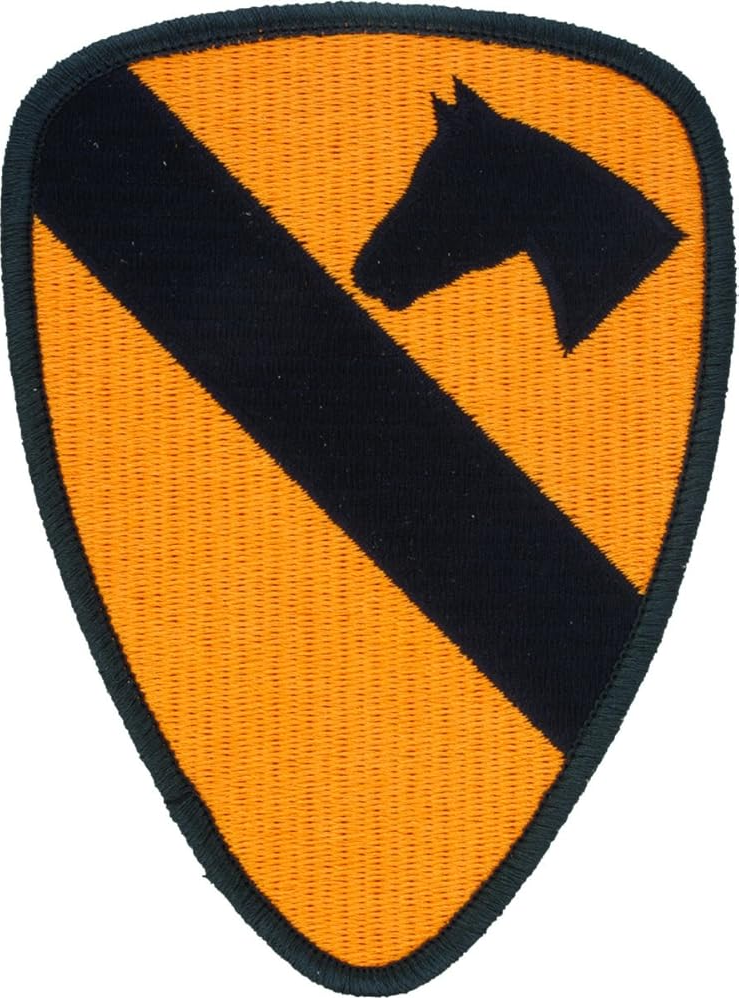
Verbal Account — CPT Henry Colavita on the January 28, 1969 Bunker-Complex Fight
Verbal account, January 28, 1969 — CPT Henry Colavita, Commander, D Company, 2/8 Cav
Transcribed from Colavita's 2016 oral history interview. Lightly cleaned for obvious transcription artifacts (repeated words, etc.); otherwise presented as spoken.
"We were doing search and destroy. Ambushes are one thing, but when you're doing that you're just liable to run into someone who's waiting for you — a bunker complex. Your maps don't show where they have their bunker complexes and so forth.
"Now we walked into something. And immediately we're returning fire. And then we're doing — you're always trying to do a perimeter. You know, we used to move, my company anyway, platoons abreast, one in the center, CP in the center, and then one on each flank. And that made it easier to circle the wagons if you got hit. I know some companies that used to move single file through the jungle, and that was just asking to get your butt handed to you.
"So we ran into one of these things, and the first thing — we were able to make our perimeter. First thing I always called for was Army air support, not Air Force or artillery. Because with their mini-guns and so forth, they could get fire in real close to you. They were very accurate.
"Artillery wouldn't do you any good as close as we were to the enemy, and neither would Air Force air support, so I used to call in for helicopter support.
"And in this one particular fight, even though we had 'Death from Above' raining down on the enemy, they must have been in bunkers, they must have had some kind of cover, because we stayed in contact all night.
"I had taken wounded — people all night I heard them in pain, and there was nothing we could do for them. The medics were doing all they could. That was a terrible night, because all night long, you know, come daylight, that's when the enemy starts to disappear. They start to do their 'invisible act.'
"But we put up with it all night long. We had strobe lights to mark our perimeter, and overhead we had the modified C-130 with the gatling guns that could put rounds right in front of you. So we had all kinds of air support, we had flares being dropped, and this, that, and the other. We had a sky full of friendly people, but we were still on the ground with a bunch of unfriendly people — that I think was probably a much bigger unit than what we were.
"So we had to fight the enemy off all night long. Come daylight, they all disappear. But all night long, we couldn't get the wounded out until the next day. And there was a lot of moaning and groaning and crying, and it just really upset me — because you couldn't do anything about it.
"You never knew how it was gonna end. All it took was for them to break through a piece of the perimeter, and then that stuff up there that's supposed to be killing them — we couldn't use it anymore, it would be killing us. That was the scariest thing."
This account is offered as the company commander's own memory of the action, recorded roughly 47 years after the fact. It has not yet been cross-checked against a unit after-action report or daily staff journal (NARA RG 472, 2/8 Cav, late January 1969) — the next research step for pinning down the exact grid and confirming this is the same action that killed Pipher and Eskridge.


